PVC Membrane

PVC

Flexible, Cost-Effective Performance for Lightweight Structures

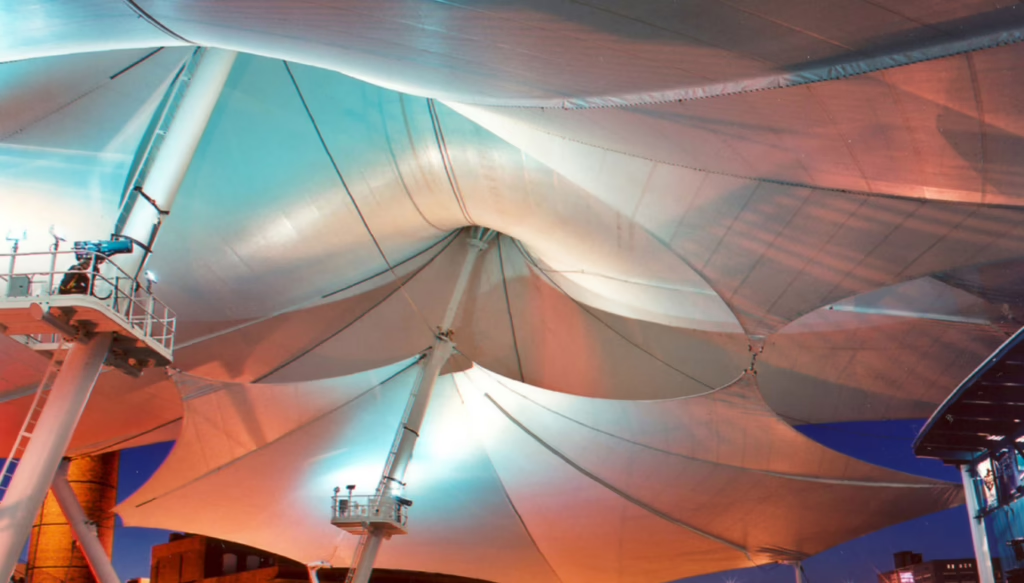
PVC (polyvinyl chloride) membrane has been a foundational material in the tensile membrane industry since the 1960s. Lightweight, durable, and highly adaptable, PVC membrane systems provide an economical solution for canopies, shade structures, facades, and long-span architectural applications.

At Enclos Tensile Structures, PVC membranes are engineered into custom lightweight structures that balance performance, aesthetics, and value across a wide range of project types.

0%
natural light transmission
0
year lifecycle
0
mm max. membrane thickness

Why PVC Membrane

Cost-Effective Design Flexibility

PVC membrane offers a practical alternative to traditional roofing and cladding systems while enabling expressive architectural forms. Its lightweight nature reduces structural demand, helping streamline fabrication, transportation, and installation costs.

Available in a wide range of colors, finishes, and translucencies, PVC membranes can be tailored to complement the visual identity of individual projects.

Lightweight Weather Protection

PVC membrane systems provide reliable protection from sun, rain, and environmental exposure while maintaining the lightweight advantages of tensile architecture. Bright white PVC membranes can reduce radiant heat gain and help maintain cooler interior conditions in warmer climates.

Depending on the membrane type and coating system, PVC can also provide controlled levels of daylight transmission for naturally illuminated spaces.

Durable Coating Technology

Architectural PVC membranes are typically manufactured with protective acrylic or PVDF topcoats that enhance long-term performance and environmental resistance.

These coating systems help protect the membrane against:

  • UV exposure
  • Moisture intrusion
  • Dirt and biological growth
  • Premature aging and discoloration

The topcoat also improves cleanability and helps maintain the membrane’s appearance over time.

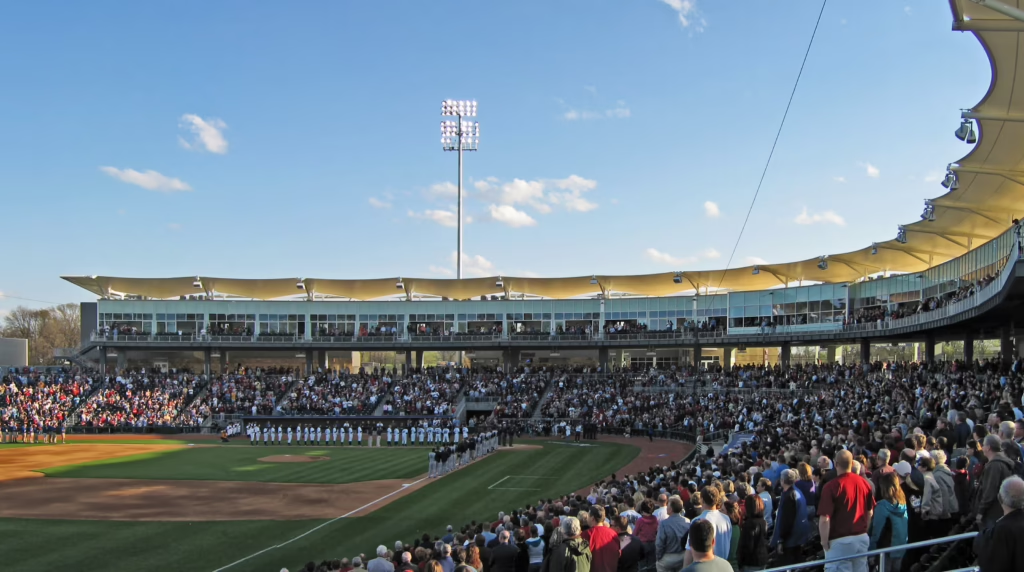
Daytime view of the canopy at the Weber Point Events Center in Stockton, California.

Weber Point Events Center

Stockton, CA

Project Details

Weldable Membrane Systems

As a thermoplastic material, PVC can be heat welded during fabrication and installation. Adjacent sheets are overlapped and fused together to create continuous weathertight membrane assemblies. This weldable seam technology enables:

  • Large uninterrupted membrane surfaces
  • Complex custom geometries
  • Durable watertight connections
  • Efficient fabrication and installation

Fire Performance & Safety

PVC membrane is lightweight with a relatively low fire load and is manufactured to meet project-specific fire performance requirements. The material also possesses self-extinguishing characteristics that contribute to its suitability for public architectural applications.

Applications

PVC membrane is commonly used across a variety of lightweight tensile structure applications, including:

  • Shade structures
  • Canopies and covered walkways
  • Amphitheaters and entertainment venues
  • Transportation structures
  • Facades and screen systems
  • Temporary and permanent enclosures

Its balance of performance, flexibility, and value makes PVC particularly effective for projects requiring large-area coverage with efficient construction timelines.

Material Properties

PVC membrane systems offer several performance advantages for lightweight architectural structures:

  • UV stable
  • Weathertight
  • Easy-to-clean surface properties
  • Printable surfaces for graphics and branding
  • Available in multiple colors and finishes
  • Light transmission up to 40%
  • Self-extinguishing characteristics
  • Flexible and weldable fabrication properties
  • Recyclable manufacturing process

Service Life & Maintenance

PVC membrane systems are designed for long-term outdoor performance. Typical design life ranges from approximately 15–20 years depending on environmental exposure, coating system, and project location. In regions with elevated UV exposure, such as Florida and the Southwestern United States, anticipated service life may vary based on climate conditions and maintenance practices.

Routine inspections and cleaning help maintain membrane appearance and long-term performance. Protective topcoats also reduce dirt accumulation and simplify ongoing maintenance requirements.

Engineered for Lightweight Architecture

PVC membrane continues to play an important role in tensile membrane construction due to its versatility, efficiency, and adaptability. From simple shade canopies to large-scale architectural enclosures, PVC systems provide architects and owners with a flexible material solution that supports both performance and design intent.