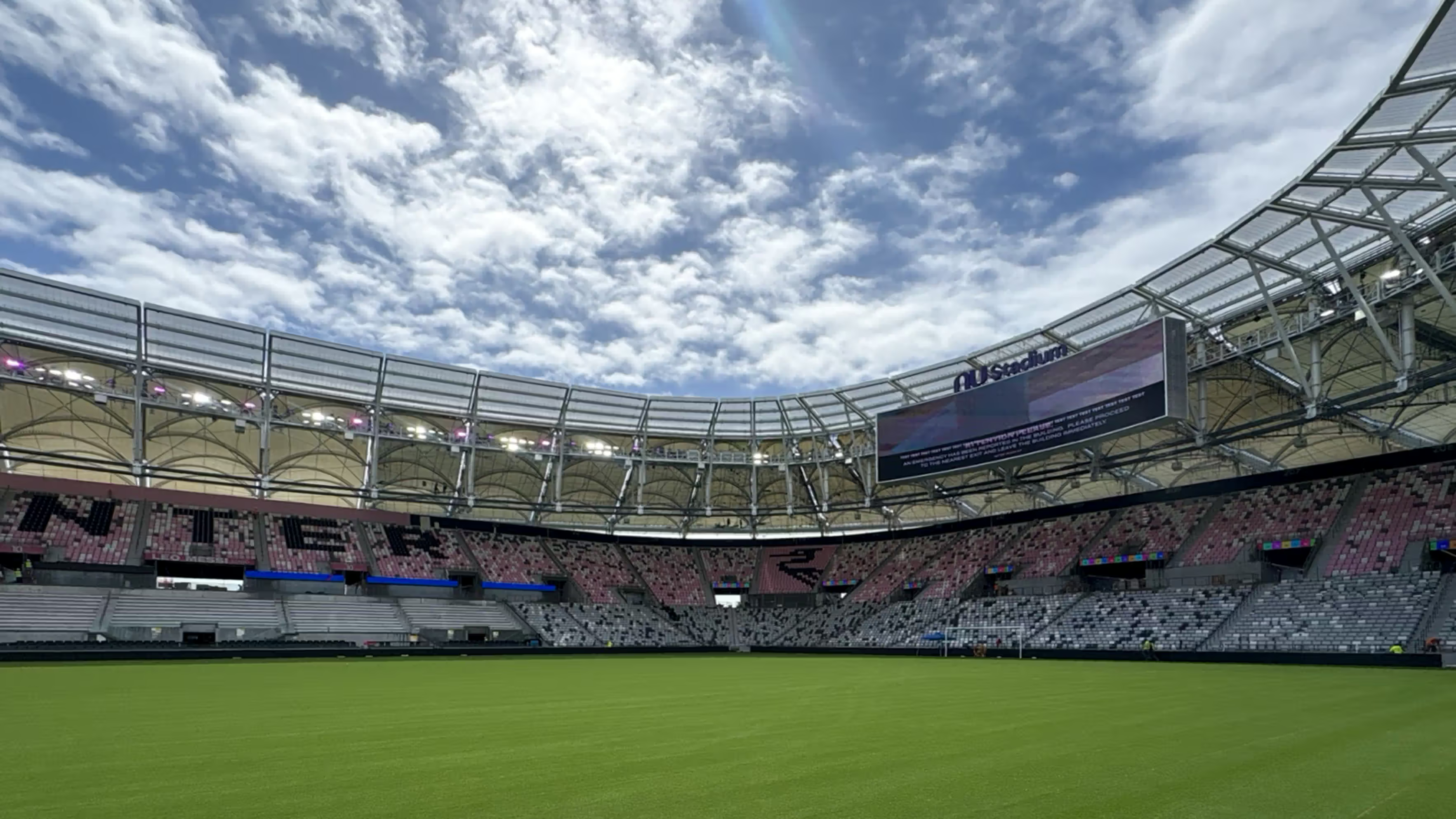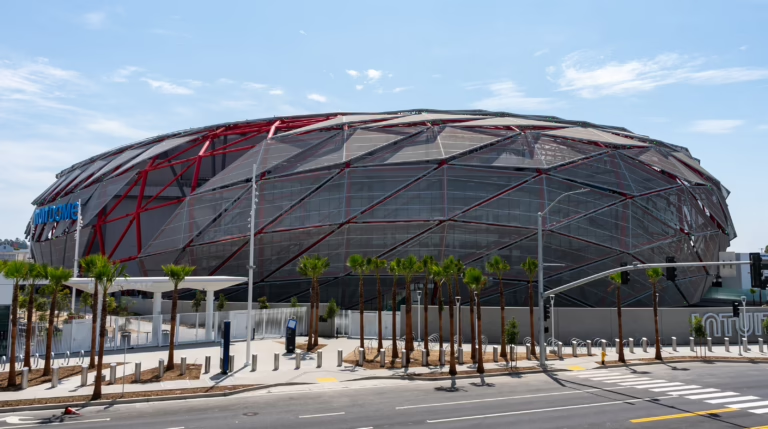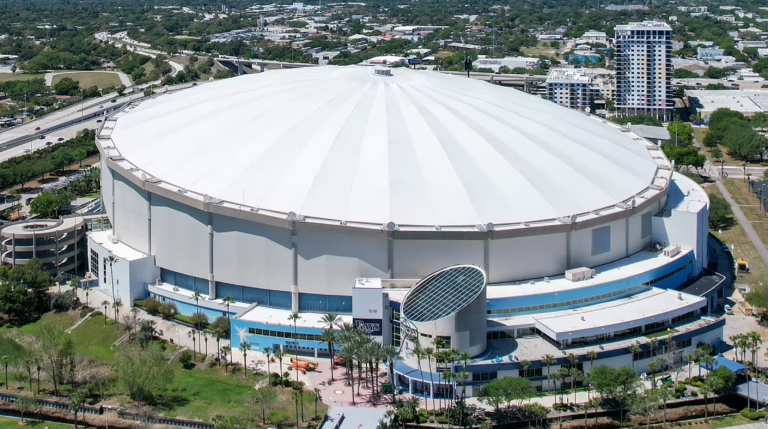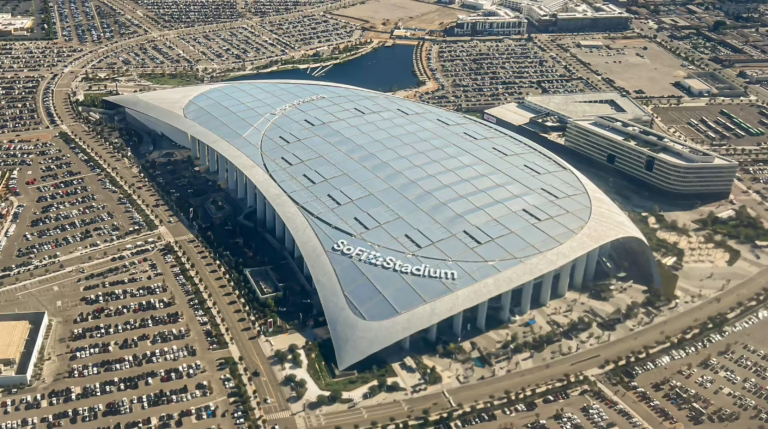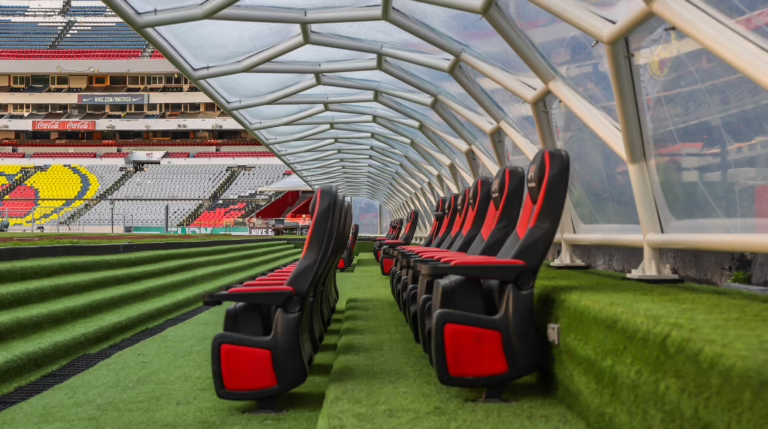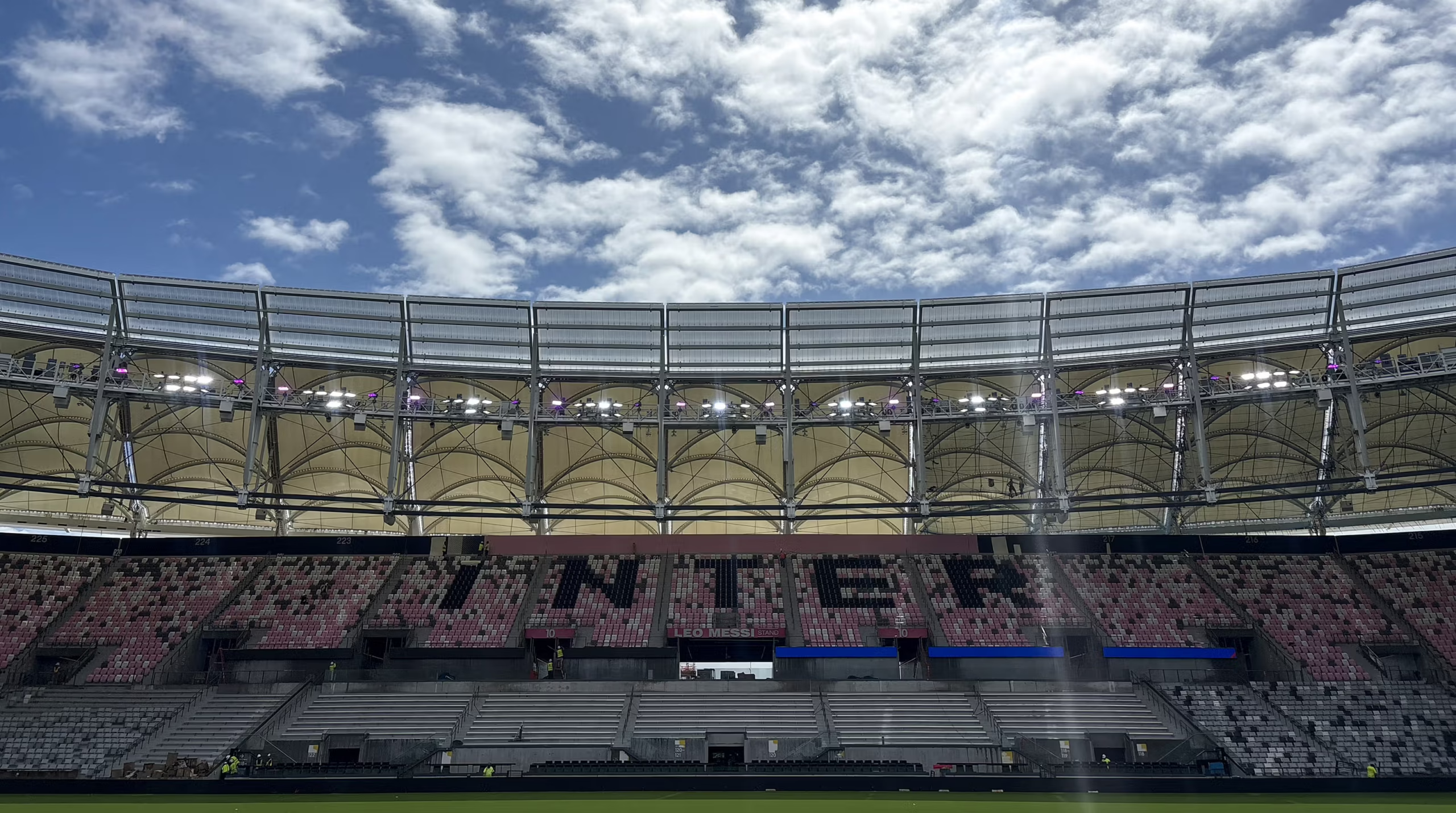

The first spoked‑wheel stadium roof in the United States.
The Miami Freedom Park spectator canopy represents a new benchmark for tensile stadium design in the United States – an ambitious, globally sourced system that brings together advanced cable-net engineering, high-performance membranes, and architectural expression.
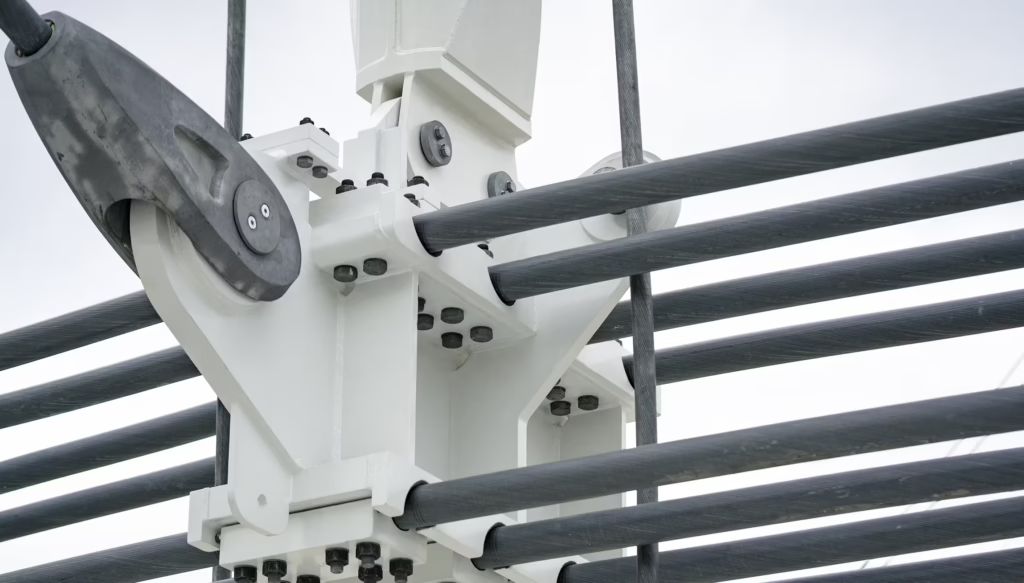
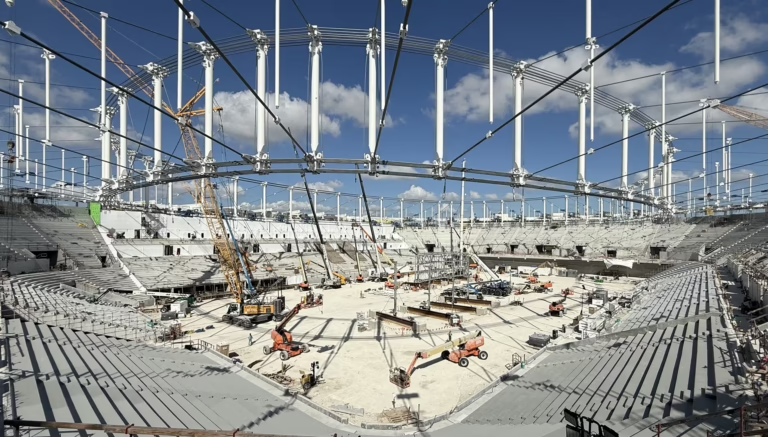
Spanning 329,000 square feet, the canopy is defined by a sweeping radial cable-net structure that stretches 765 by 642 feet across and stands 116 feet above the stadium seating below. At its core is a 1,570-ton radial cable system composed of 96 primary radial cables, anchored by upper and lower tension ring cable assemblies that stabilize the structure while enabling its expansive, column-free form.
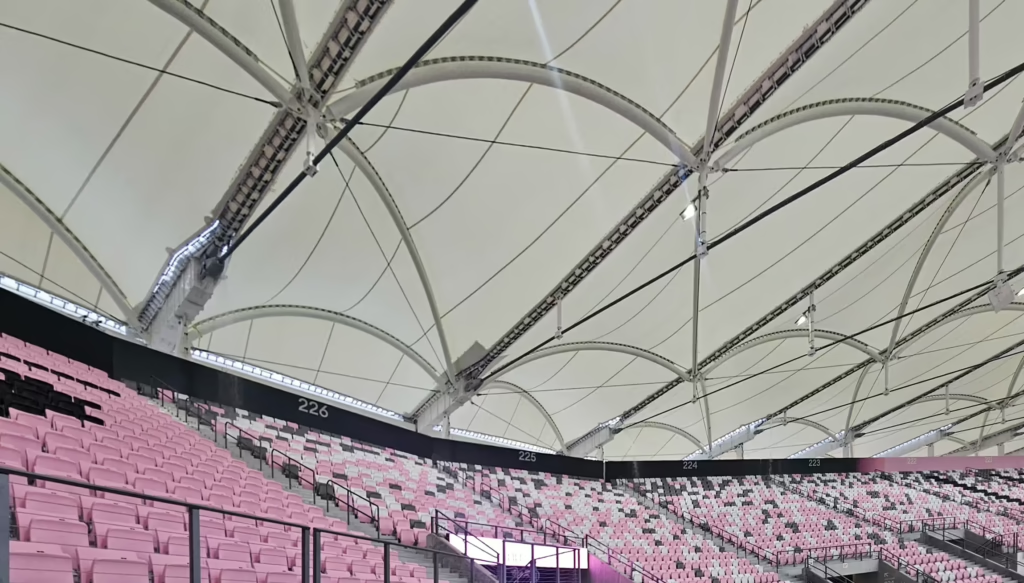
This primary structure supports a layered enclosure system combining 283,000 square feet of PTFE membrane with 46,000 square feet of fritted ETFE, creating a lightweight yet durable roof that balances sun-shading, transparency and performance.
The canopy, designed by schlaich bergermann partner, celebrates long-established tensile systems – cable nets, PTFE, and ETFE – integrated here into a single, highly expressive structure. While these technologies are well established internationally, their combination in a spoked-wheel cable roof represents a new application in North America. More commonly seen in European stadiums, this typology is realized here at a scale and level of integration not previously achieved in the United States.
Fast-Track Delivery
Watch ETS install the first spoked‑wheel stadium roof in the United States.
Delivered through a design-assist approach, ETS led erection engineering for the cable-net system, along with the fabrication, engineering, and installation of the secondary steel and membrane cladding systems. The result is a highly coordinated integration of cable, steel, and membrane technologies, each working in tension and compression to achieve both structural efficiency and architectural clarity.
Executing this vision required navigating one of the project’s most significant challenges: the schedule. Installation was slated to begin just seven months after construction documents were issued, requiring ETS to immediately initiate design, engineering, procurement, and installation means and methods. This complexity was compounded by the project’s global supply chain, which sourced structural cables, nodes, membranes, and fabricated components from across Europe and Asia. Managing tight fabrication timelines, overseas shipping, and just-in-time delivery demanded precise coordination across all partners to ensure materials arrived exactly when needed for installation.
The result is a canopy that embodies technical rigor and architectural ambition, reflecting the evolution of tensile design and establishing a new standard for stadiums in North America.