AESS

Precision Steelwork for Lightweight Structures and Exposed Architecture

Architecturally Exposed Structural Steel (AESS) combines structural performance with visual craftsmanship, transforming steel from a purely functional element into a defining architectural feature. In tensile membrane and lightweight structures, AESS plays a critical role in shaping the aesthetic identity of canopies, pavilions, stadiums, transportation hubs, and public gathering spaces.

At Enclos Tensile Structures, AESS is integrated into custom lightweight structures where steel, cable, and membrane systems work together as a unified architectural expression.

0
levels of standard AESS classifications
0
degrees of visibility – designed to be seen from every angle
0
layers of high-performance protective coatings

What Is AESS?

AESS refers to structural steel that remains exposed to view and requires a higher level of finish, fit, and visual quality than conventional structural steel. Unlike standard steel construction, AESS incorporates enhanced fabrication tolerances, refined welds, improved surface preparation, and coordinated detailing to achieve a cleaner architectural appearance. The level of finish can vary significantly depending on the steel’s visibility and proximity to building occupants.

AESS in Lightweight Structures

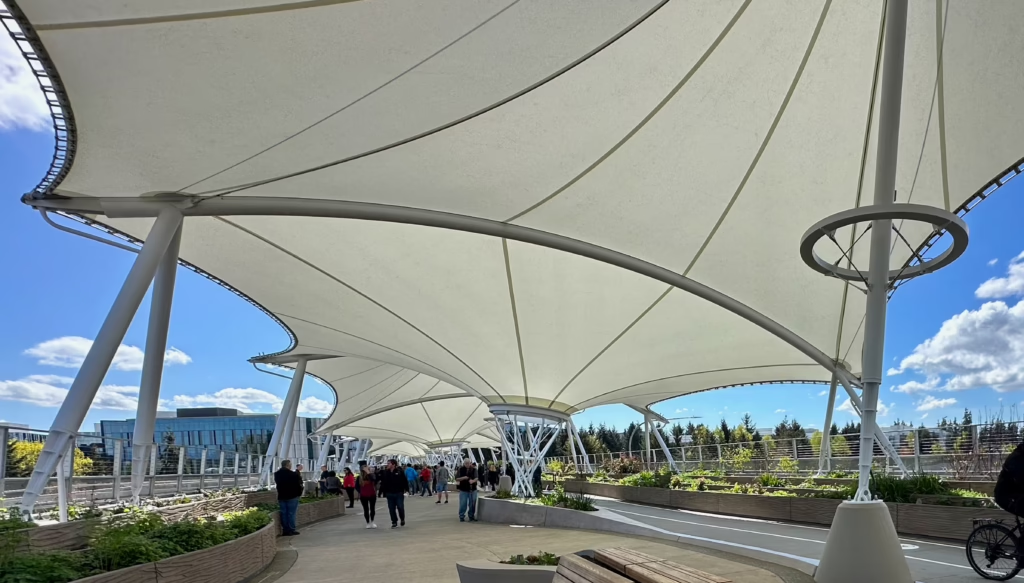
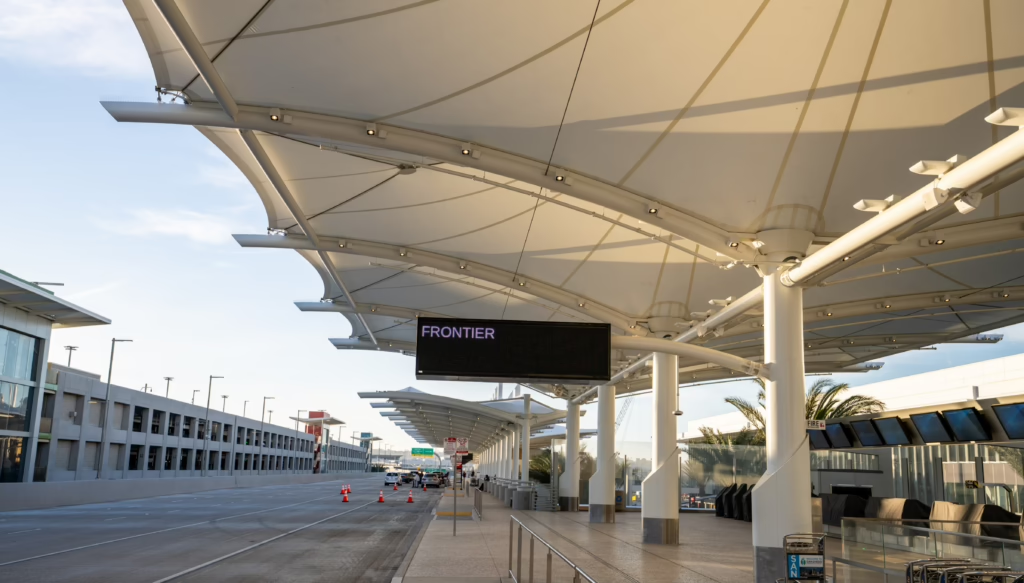
In tensile membrane architecture, the structural frame is often intentionally exposed as part of the design. Steel masts, edge beams, trusses, compression rings, and cable connection nodes become visible architectural elements that contribute to the overall visual experience of the structure.

Because tensile structures rely on lightweight materials and minimal structure, the exposed steelwork frequently becomes more prominent than it would in conventional construction.

Applications commonly include:

  • Stadium canopies
  • Pavilions and shade structures
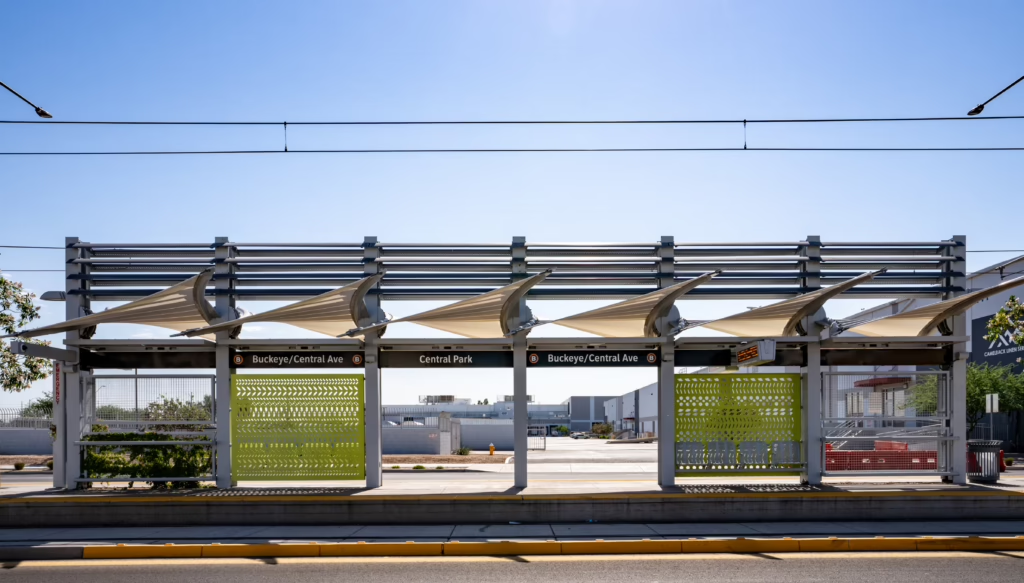
  • Transportation canopies
  • Public gathering spaces
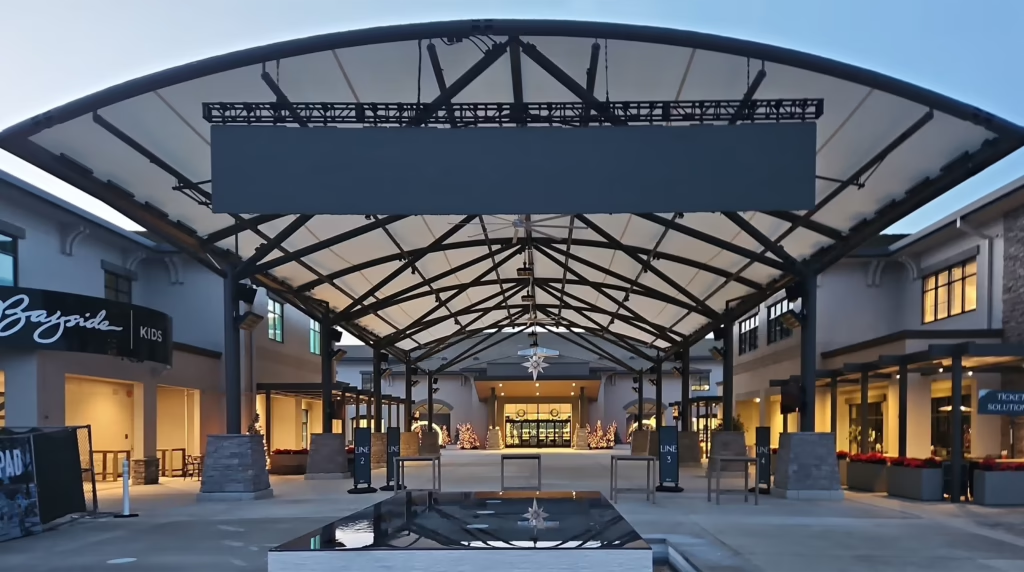
  • Entry features and covered walkways
  • Membrane-supported facades

Balancing Quality & Visibility

Not every tensile structure requires the same level of AESS finish. The appropriate level of exposed steel quality is often determined by how visible and accessible the structure is to occupants.

For pedestrian-scale structures such as pavilions, canopies, and public gathering spaces where visitors can closely view or physically interact with the steel, higher AESS levels are commonly specified to achieve a refined architectural appearance.

For large-scale overhead structures such as stadium roofs and long-span canopies, the steel may be viewed primarily from a distance. In these applications, designers often prioritize structural efficiency and practicality over higher aesthetic classifications, selecting lower AESS categories or conventional structural steel where detailed finishes are less perceptible.

This balanced approach helps optimize both project budget and fabrication efficiency while maintaining the intended architectural impact.

Why AESS Matters

Architectural Expression

AESS transforms structural steel into a visible design feature rather than something hidden behind finishes or cladding. Connections, nodes, and framing geometry become part of the architectural identity of the structure.

Precision Fabrication

Exposed steel demands tighter tolerances, cleaner welds, and greater coordination between engineering, fabrication, and installation teams. This precision is particularly important in lightweight tensile structures where exposed steel interfaces directly with membrane and cable systems.

Integration with Membrane Systems

Steel framing in tensile structures must work seamlessly with PTFE, ETFE, PVC, cable, and facade systems. AESS allows the supporting structure to complement the lightweight character of the membrane rather than visually overpower it.

Durability & Finish Performance

AESS systems are typically paired with high-performance coating systems designed to withstand long-term environmental exposure while maintaining visual consistency over time.

Coordination Between Structure & Architecture

Successful AESS execution requires early collaboration between architects, engineers, fabricators, and installers. Connection detailing, weld visibility, coating systems, erection sequencing, and lighting conditions all influence the final appearance of exposed steel.

In tensile membrane structures especially, the relationship between steel geometry and membrane form is critical. The exposed structure must not only support the membrane system structurally, but also reinforce the intended architectural expression through proportion, rhythm, and detailing.

Engineered for Visual Performance

Architecturally exposed steel is more than a finish specification — it is a coordinated design and fabrication process that bridges structure and architecture. When combined with lightweight membrane systems, AESS enables expressive forms, long spans, and visually refined structures that define modern tensile architecture.