ETFE Film

ETFE Film

High-Performance Transparency for Lightweight Structures

Ethylene tetrafluoroethylene (ETFE) is an advanced fluoropolymer film used to create high-performance building envelopes, facades, and long-span roof systems. As a lightweight alternative to glass, ETFE enables expansive, visually striking structures with significantly reduced structural demand.

At ETS, we engineer ETFE into fully integrated systems combining material performance, structural efficiency, and design flexibility to meet the demands of complex architectural applications.
0%
the weight of glass
0%
natural light transmission
0%
reduction in structural steel

Why ETFE?

Lightweight Efficiency

ETFE weighs a fraction of traditional glazing systems, dramatically reducing the load on supporting steel. This allows for longer spans, fewer structural elements, and more efficient designs—particularly for large-scale enclosures and canopies.

High Light Transmission

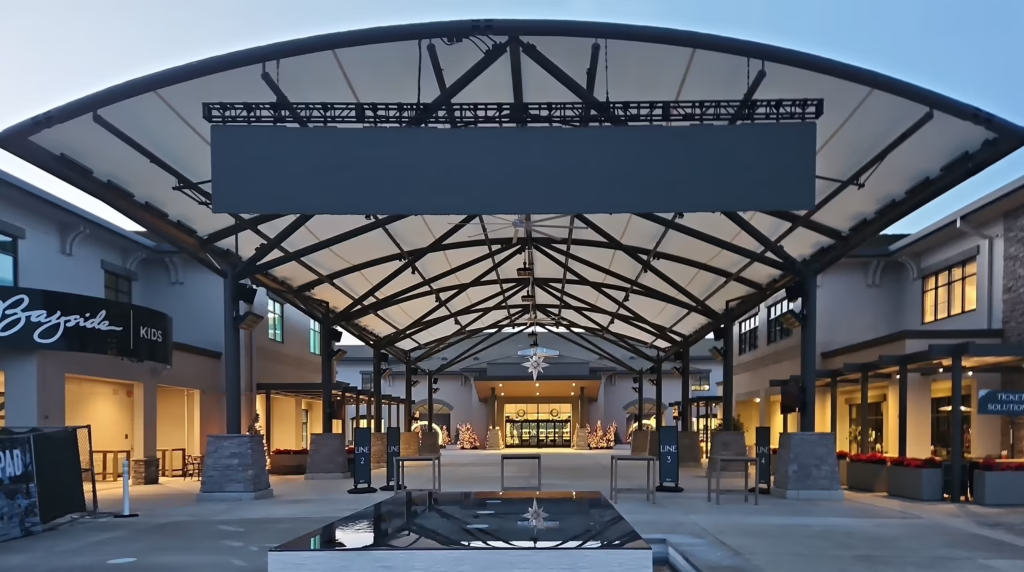
ETFE delivers exceptional daylighting performance, transmitting high levels of natural light while maintaining a soft, diffused quality. This improves occupant comfort and reduces reliance on artificial lighting.

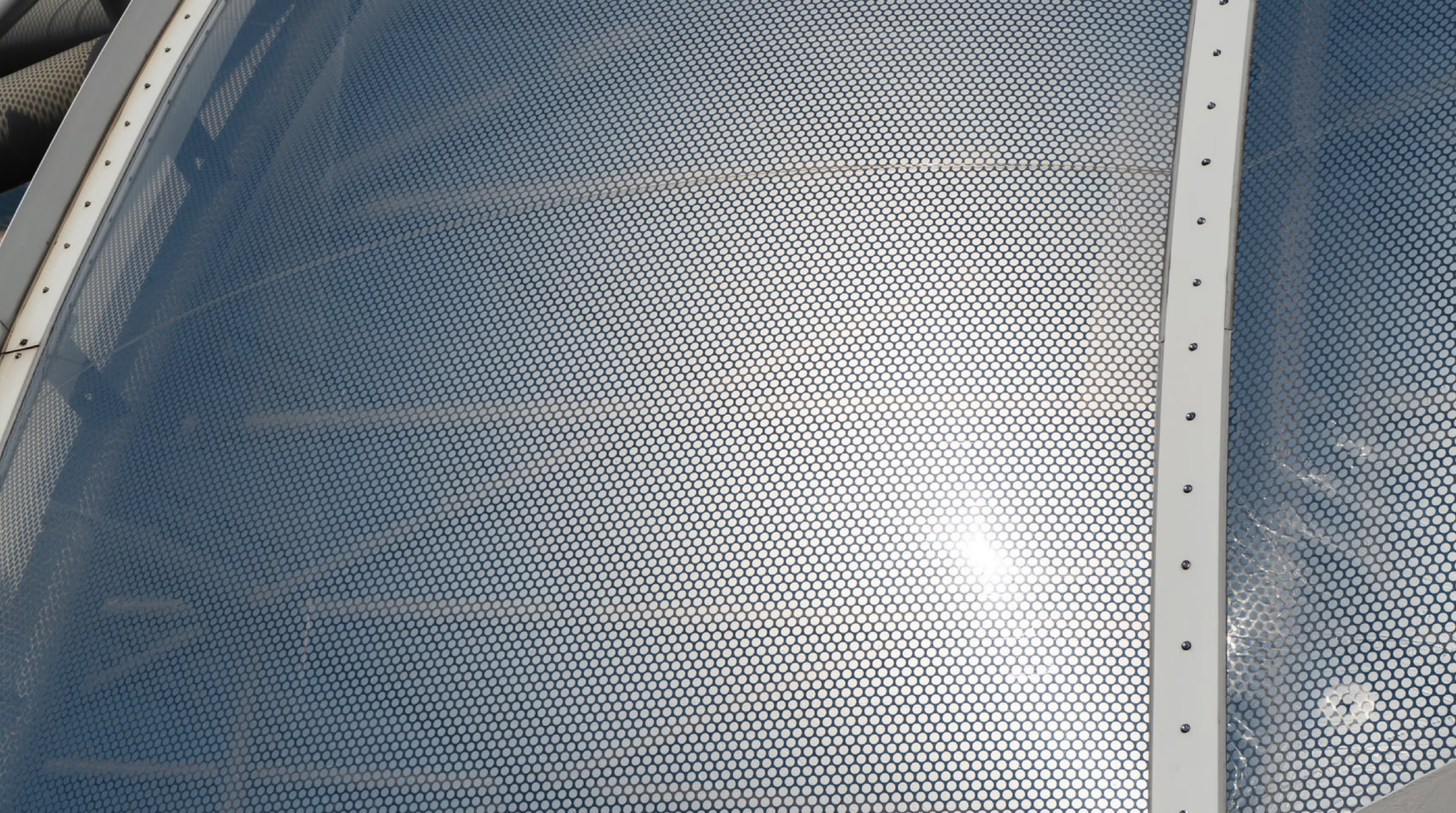
Custom frit patterns can be applied to fine-tune solar performance, balancing daylight, glare control, and heat gain to meet project-specific requirements.

Adaptable System Design

ETFE can be configured in multiple ways depending on the application:

  • Single-layer systems for canopies and facades
  • Multi-layer cushion systems for insulated enclosures
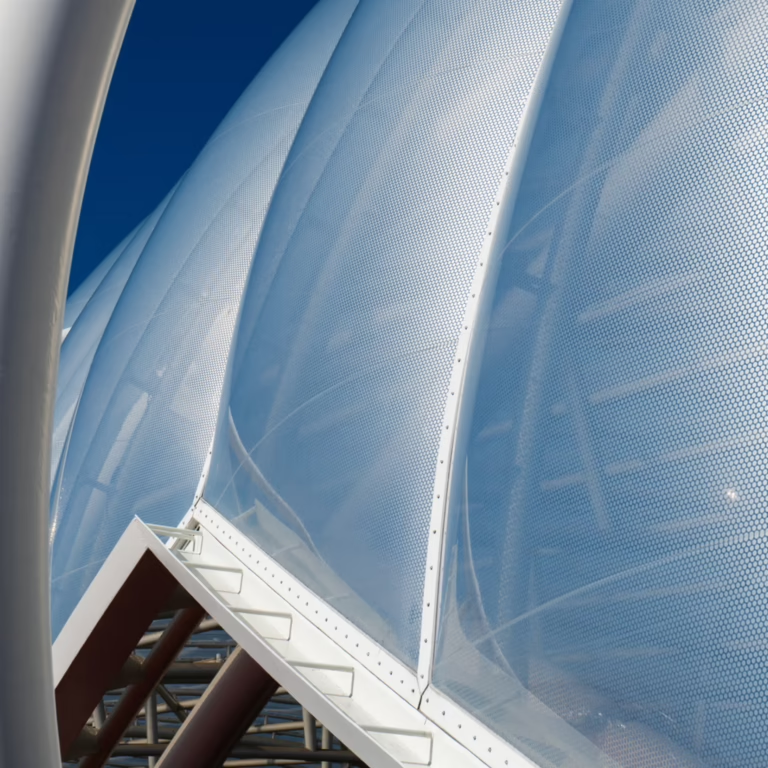
  • Custom geometries for complex architectural forms

This flexibility allows ETFE to perform across a wide range of building types, from open-air structures to fully enclosed environments.

Structural & Environmental Performance

ETFE systems are engineered to withstand demanding environmental conditions, including wind, snow, and temperature extremes. Multi-layer cushion assemblies introduce insulating air layers, improving thermal performance while maintaining transparency.

Integrated Lighting & Visual Impact

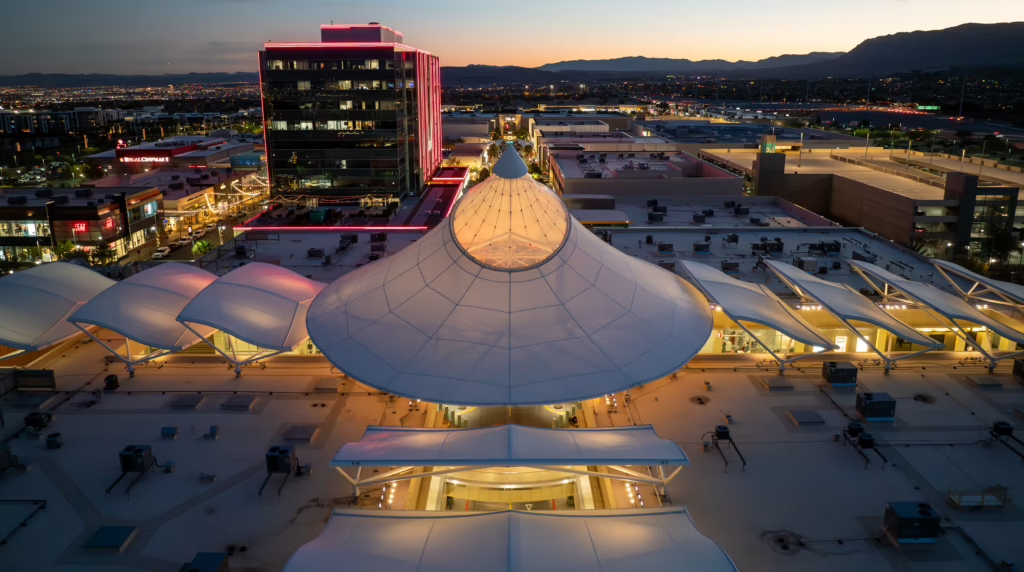
ETFE’s translucency makes it an ideal medium for integrated lighting systems. With LED illumination, structures can transform into dynamic architectural features—enhancing identity, wayfinding, and user experience both day and night.

Low Maintenance & Longevity

ETFE is highly resistant to UV exposure, pollution, and environmental degradation. Its smooth surface naturally sheds dirt, minimizing maintenance requirements over time. The material is also recyclable, supporting long-term sustainability goals.

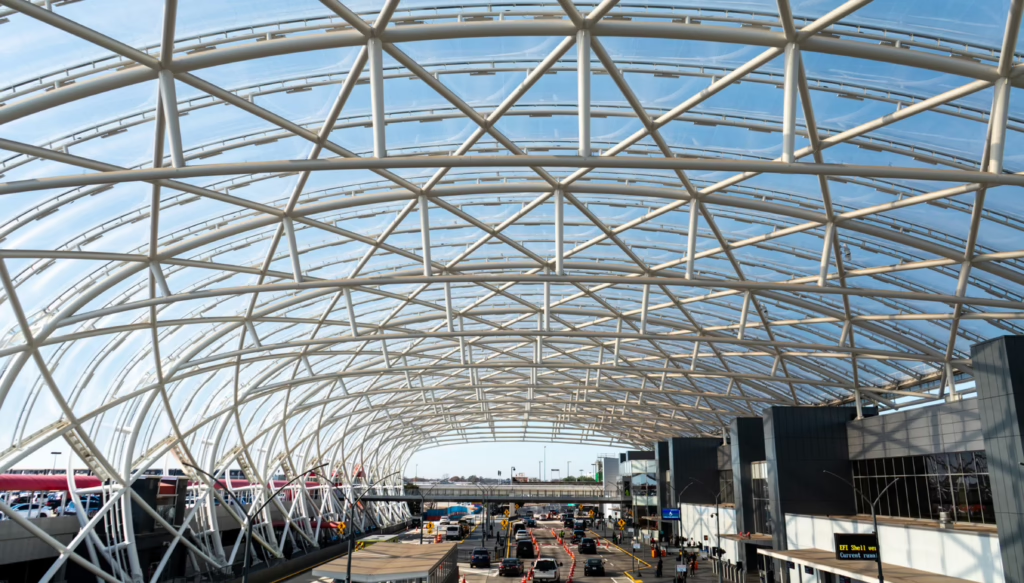
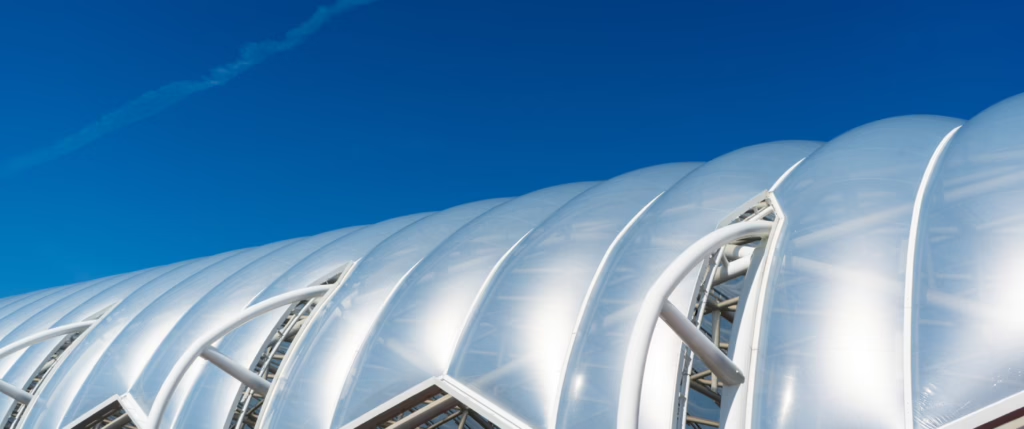
Daytime view of canopies at the ATLNext Central Passenger Terminal Complex in Atlanta, Georgia.

ATLNext Central Passenger Terminal Complex

Atlanta, GA

Project Details

Applications

ETFE is widely used across high-performance architectural applications, including:

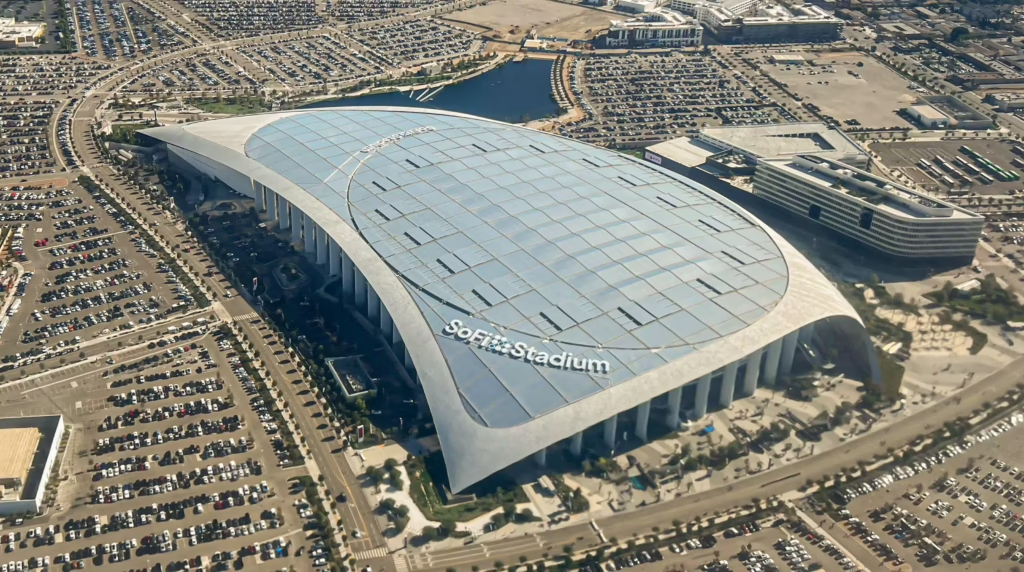
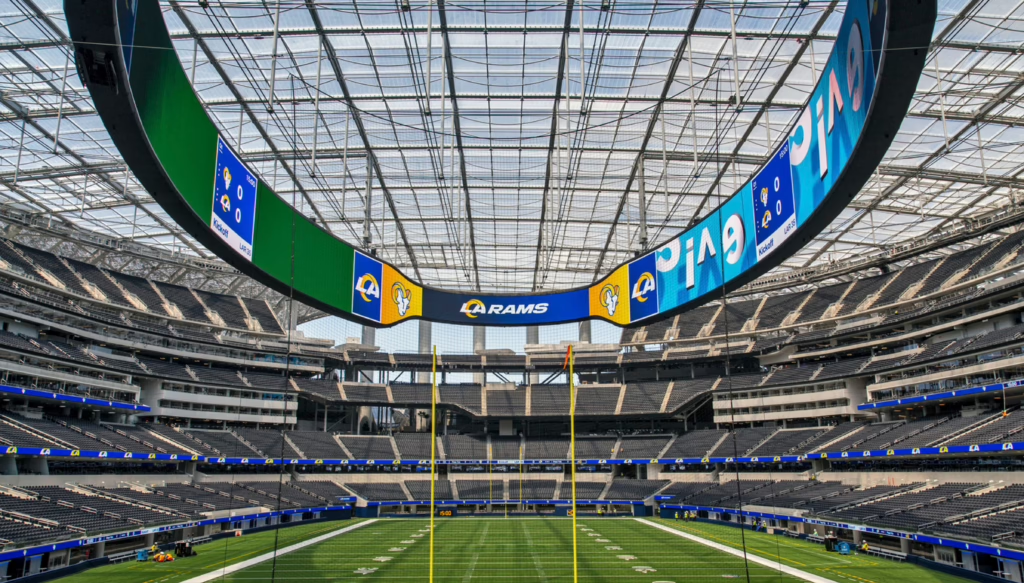
  • Stadium roofs and facades
  • Airport terminals and transportation hubs
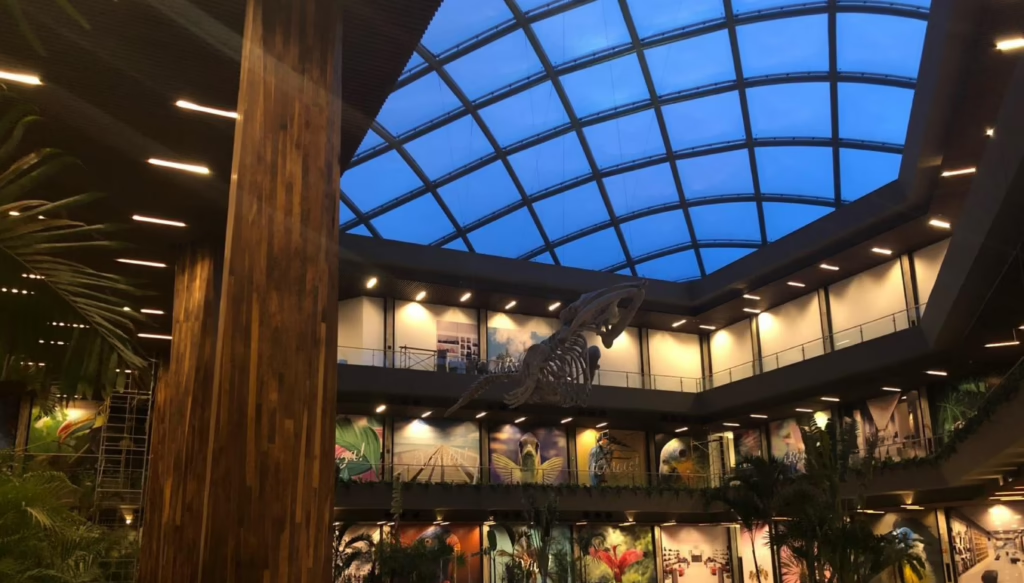
  • Atriums and large-span enclosures
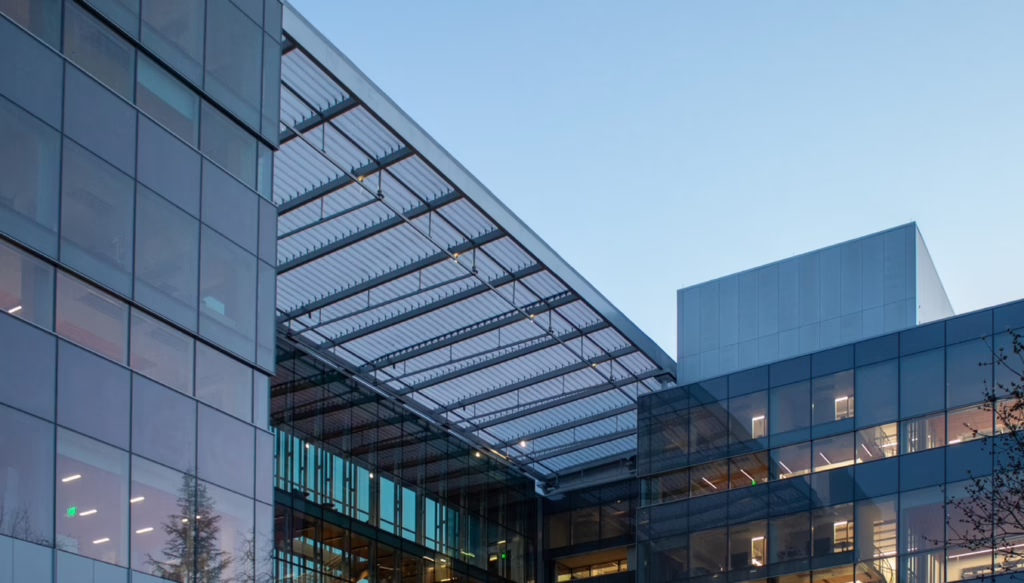
  • Canopies, skylights, and feature structures

Its combination of strength, flexibility, and light transmission makes it particularly well-suited for projects requiring large spans, natural light, and visual impact.

Engineered Systems

ETFE is not a standalone material, it is part of a fully engineered system. Multi-layer ETFE cushions are fabricated, welded, and pressurized to create structurally stable assemblies that respond to environmental loads while maintaining form and performance.

Each system is custom-designed based on:

  • Project geometry
  • Climate conditions
  • Performance requirements (thermal, structural, and visual)

This integrated approach ensures that ETFE delivers both architectural intent and long-term reliability.

0°
Fahrenheit temperature resistance
0W
power consumption per 10,000 SF
0
MPH wind resistance capability

A Smarter Alternative to Glass

For projects requiring transparency without the weight, cost, and limitations of traditional glazing, ETFE offers a compelling alternative. It enables:

  • Reduced structural demand
  • Greater design freedom
  • Efficient daylighting strategies
  • Lower lifecycle costs